GIS

GIS (Geographic Information System) is a framework to organize, communicate, and understand the science of our world. GIS integrates many types of data. It analyzes spatial location and organizes layers of information into visualizations using maps and 3D scenes. Every field are using GIS to make maps that communicate, perform analysis, share information, and solve complex problems around the world.

In below list of GIS Analysis Tutorial.

GIS Land Use Map

GIS Land Use Map

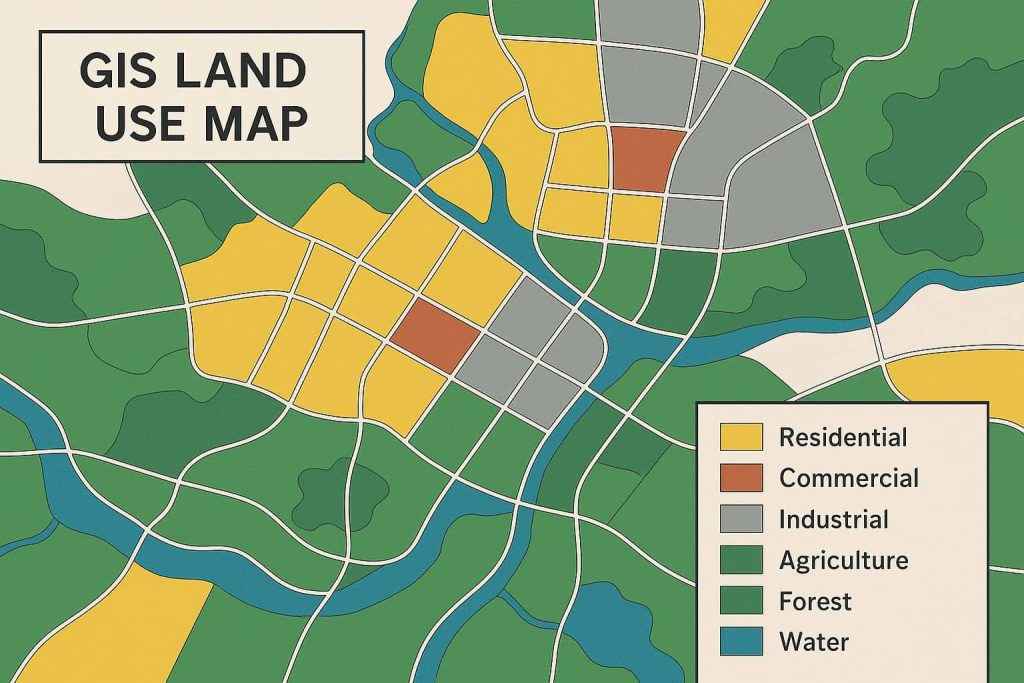
Land Use Mapping in GIS Introduction A Land Use Mapping in GIS visually represents how different areas of land are utilized by humans. It’s created using geographic data in layers, and is vital in planning, environmental studies, and land management.. GIS Land Use Map is a specific type of mapping technology that allows you to

GIS Land Use Map Read More »

GIS Environmental Projects

Environmental GIS Projects In this tutorial we will create a Environmental GIS Projects in Behala Chowrasta, Kolkata, 700008. Environment Approach of Road Traffic Congestion at Behala Chowrasta Crossing Introduction Behala Chowrasta traffic nodes has very much susceptible and problematic due to huge pressure of traffic and hike level of congestion due to hike congestion level

GIS Environmental Projects Read More »

GIS Report

GIS Project Report GIS Report is a project report that’s allows you to organize and display the tabular data associated with your geographic features. In this tutorial we will create a project report Road Morphology in Behala Chowrasta, Kolkata, 700008. Road Morphology of Behala Chowrasta Introduction Road Morphology of any traffic node is a very

GIS Report Read More »

MapServer

MapServer

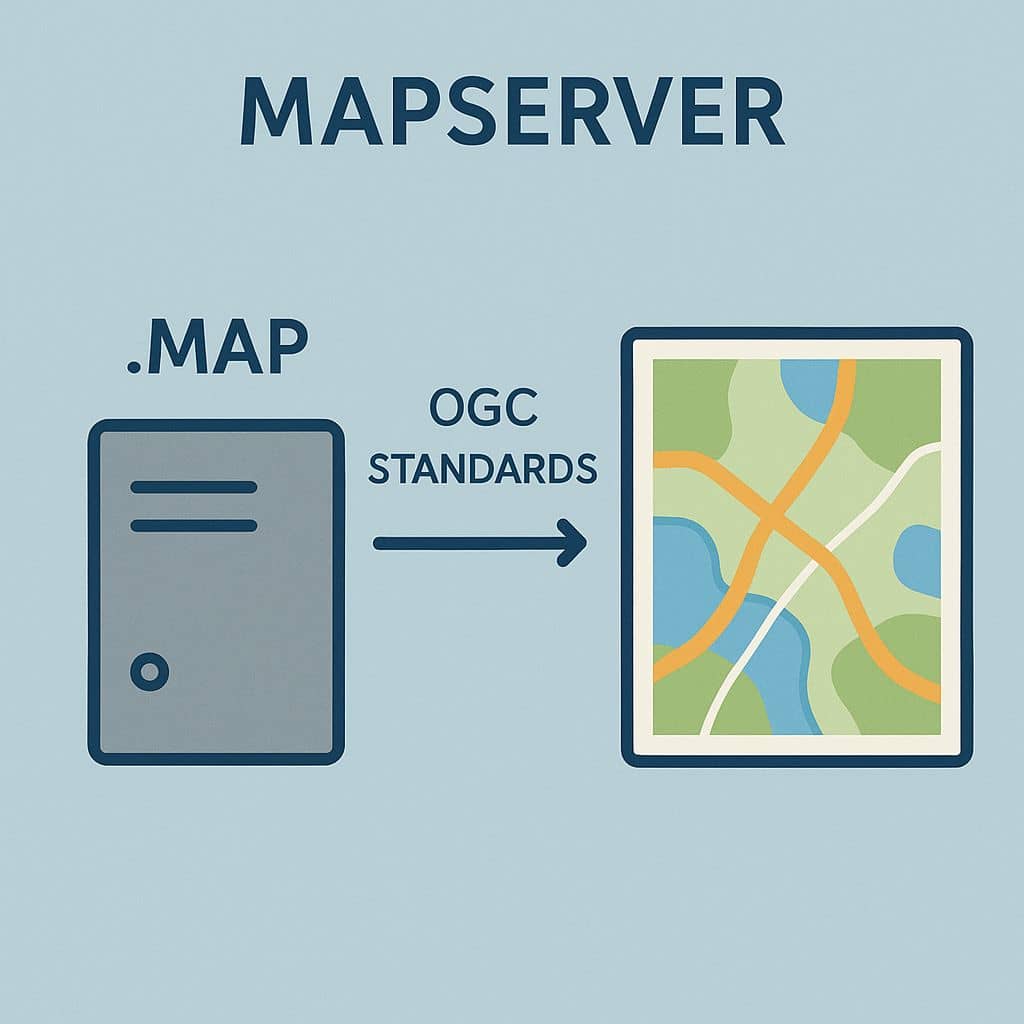
MapServer Tutorial What is MapServer? MapServer is an Open Source platform for publishing spatial data and interactive mapping applications to the web. It is released under an MIT-style license, and runs on all major platforms, Windows, Linux, Mac OS. Map Server is one of the founding projects of the OSGeo foundation. Map Servers allows you

MapServer Read More »

Scroll to Top